
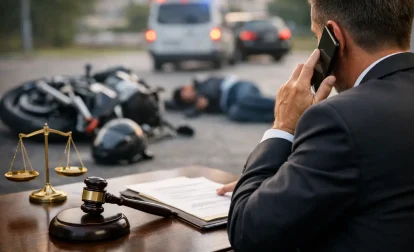
A motorcycle wreck can turn an ordinary ride through Shreveport or Bossier City into a medical and financial crisis in seconds. One driver fails to check a blind spot, turns left across traffic, or follows too closely, and the rider absorbs the impact with little protection. A motorcycle accident attorney Shreveport riders can call should focus on what happens after the crash too: medical care, missed paychecks, insurance pressure, and the evidence needed to hold the responsible party accountable.
Motorcyclists are often blamed before anyone has taken a fair look at the facts. An insurer may suggest the rider was speeding, lane splitting, or taking an unnecessary risk. Those assumptions do not decide liability. The crash scene, witness accounts, vehicle damage, camera footage, traffic laws, and medical records may tell a very different story.
The first days after a motorcycle crash matter
Your health comes first. Accept emergency care when it is offered, follow up with your own doctor, and do not brush off pain because you want to get back to work or avoid worrying your family. Motorcycle injuries can include fractures, road rash, head injuries, spinal damage, and joint injuries that become clearer over time.
If you are able, keep the police report information, photographs of the scene and your gear, contact information for witnesses, and records of every provider you see. Do not repair, sell, or dispose of the motorcycle, helmet, or damaged clothing before the evidence has been documented. Damage patterns can help explain how a collision occurred.
You should also be careful with social media. A photo or comment taken out of context can be used by an insurer to argue that your injuries are less serious than they are. It is usually wiser to keep the details of your recovery private while your claim is pending.
Why insurance companies move quickly
The other driver’s insurance company may call soon after the crash. The adjuster may sound concerned and may ask for a recorded statement, broad medical authorization, or a quick settlement. Their job is to protect the insurance company’s financial interests, not to make sure your recovery covers the full cost of the wreck.
An early offer may account for an ambulance bill or motorcycle repairs while ignoring future treatment, rehabilitation, lost earning capacity, pain and suffering, and mental anguish. Once a release is signed, reopening the claim is often difficult or impossible, even if an injury becomes worse.
You can provide basic identifying information, but you are not required to guess about fault, give a recorded statement without advice, or accept an offer just because bills are arriving. A lawyer can handle insurer communications and keep the conversation focused on evidence rather than assumptions about the rider.
What a motorcycle accident attorney in Shreveport can do
A serious injury claim requires more than submitting bills to an adjuster. It requires building a clear account of what happened, who caused it, and how the collision has changed the injured person’s life. That work may begin with preserving video footage from nearby businesses, obtaining the crash report, locating witnesses, reviewing vehicle damage, and examining whether the other driver was distracted, impaired, fatigued, or violating traffic laws.
The value of a claim depends on the facts. Medical expenses and lost wages are part of the picture, but they are not the whole picture. A rider may need ongoing treatment, be unable to return to the same physical job, or lose the ability to participate in family life and activities they once enjoyed. When a crash causes a fatal injury, surviving family members may face funeral expenses, lost household income, and profound emotional harm.
A motorcycle accident attorney in Shreveport should explain these issues in plain language. You should understand what evidence is being gathered, what the insurer is claiming, and whether a settlement offer fairly reflects your losses. You should not be left wondering whether anyone is working on your case.
Fault is not always as simple as the police report
A police report is useful, but it is not always the final word on liability. Reports can contain incomplete information, and officers may arrive after the collision occurred. A careful review may reveal facts the report did not capture, including a witness who saw a driver drift into a lane or camera footage showing a dangerous turn.
Louisiana also recognizes that more than one person may be assigned fault in some cases. That can affect compensation, but it does not automatically prevent an injured rider from bringing a claim. The key question is whether another person’s negligence contributed to the crash and what the evidence can establish.
Common motorcycle collision scenarios include drivers turning left in front of an oncoming rider, merging without checking blind spots, opening a vehicle door into traffic, rear-ending a stopped motorcycle, or failing to yield at an intersection. Each situation calls for a fact-specific investigation. The same is true when a dangerous road condition, defective motorcycle part, or commercial vehicle may have played a role.
Know the costs that can be included in a claim
The financial impact of a motorcycle crash often continues after the emergency room visit. A fair claim may seek compensation for medical bills, future medical needs, lost income, reduced future earning ability, motorcycle damage, pain and suffering, and mental anguish. The available compensation depends on the evidence, insurance coverage, and the nature of the injuries.
Keep a simple record of what the injury costs you. Save medical bills, pharmacy receipts, mileage for appointments, pay stubs, employer notes, and invoices for help you need at home. A journal describing daily pain, sleep problems, missed events, and physical limitations can also help show the human impact of an injury that does not appear on a receipt.
Do not wait to ask about your options
Deadlines can affect your ability to recover compensation. Louisiana personal injury deadlines have changed in recent years, and the applicable deadline can depend on when the crash happened and the parties involved. Claims involving government entities, uninsured drivers, or a deceased person can involve additional rules. Waiting can also make it harder to find witnesses and preserve video evidence.
That does not mean you need to have every answer before calling a lawyer. Bring what you have, explain what happened, and ask direct questions about the next step. A useful consultation should leave you with a clearer understanding of your options, not more confusion.
Collins Law represents injured people across Northwest Louisiana with direct attorney involvement and no upfront legal fees. The firm is paid only from a successful recovery, so clients can seek answers without adding another immediate bill to a difficult situation.
Questions worth asking before you hire a lawyer
The attorney-client relationship matters after a serious crash. Ask whether you will work directly with an attorney, who will return your calls, and how often you can expect updates. Ask how the firm approaches an insurer that disputes fault or minimizes an injury. You deserve clear answers, not a sales pitch.
It is also reasonable to ask about fees and costs. A contingency-fee arrangement means attorney fees are tied to a recovery, but you should understand the agreement before signing. A straightforward conversation at the beginning can prevent surprises later.
After a motorcycle wreck, the pressure to move on quickly can be intense. Take the time to protect your health, preserve what you can, and get advice before an insurance company decides what your future is worth. A conversation with an attorney can give you a path forward while you focus on healing.
