
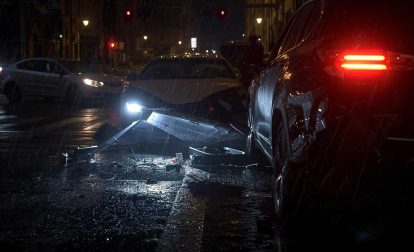
Driving at night in Shreveport and Bossier City presents a different set of risks than daytime travel. Reduced visibility, driver fatigue, impaired driving, and higher speeds all contribute to an increased likelihood of serious collisions after dark. For new drivers and experienced motorists alike, late-night travel can create conditions where accidents happen quickly and injuries are more severe.
When a collision occurs at night, the legal process can also become more complex. Evidence may be harder to collect, fault may be disputed, and insurance companies may raise additional questions about visibility, reaction time, or driver behavior. Understanding why late-night crashes are different helps drivers make safer decisions and prepares injured individuals to protect their rights if an accident occurs.
This guide explains the most common risks associated with nighttime driving, highlights local concerns in Shreveport, and outlines practical legal considerations after a late-night collision.
Nighttime Driving: Increased Accident Risks
Late-night driving changes how drivers see, react, and make decisions. These conditions increase the likelihood of crashes and make injuries more likely when collisions occur. If you need legal help for Shreveport car accidents, understanding these risk factors can clarify why nighttime claims are often more complex.
Reduced visibility: Darkness limits depth perception and peripheral vision. Hazards such as pedestrians, stalled vehicles, or debris may not be visible until it is too late to react safely.
Glare and lighting challenges: Headlights from oncoming traffic, poorly lit roadways, and reflections from wet pavement can reduce a driver’s ability to see clearly.
Driver fatigue: Tired drivers have slower reaction times and impaired judgment, which increases crash risk even when alcohol is not involved.
False sense of security: Lighter traffic late at night can encourage higher speeds and reduced attention, increasing the severity of crashes when they occur.
Shreveport’s Most Hazardous Intersections
Certain intersections and roadways in Shreveport consistently present higher risks, particularly at night when visibility is reduced and traffic patterns change. Many Shreveport car accidents occur in areas where speed, congestion, and lighting intersect.
Youree Drive near East 70th Street: This area combines commercial traffic, turning vehicles, and varying speed limits, making it harder to navigate after dark.
I-20 and Pines Road: Interstate ramps and merging traffic increase the risk of nighttime collisions, especially when drivers misjudge distance or speed.
Bert Kouns Industrial Loop near Linwood Avenue: Lane shifts and signal timing can contribute to intersection crashes during late hours.
Mansfield Road near West 70th Street: High traffic volume and limited visibility can lead to rear-end and side-impact collisions.
Kings Highway near Line Avenue: Complex traffic flow and tight turns can be challenging for tired or inexperienced drivers at night.
Speeding: A Leading Cause of Nighttime Injuries
Speeding remains one of the most significant contributors to severe injuries in late-night crashes. Reduced traffic can create the perception that higher speeds are safe, but the opposite is often true.
Longer stopping distances: Higher speeds increase the distance required to stop, which is critical when hazards appear suddenly in low-light conditions.
Greater impact force: Speed directly affects injury severity, increasing the likelihood of traumatic injuries in a collision.
Reduced reaction time: At night, limited visibility and high speed leave little time to avoid a crash.
Increased liability exposure: Speeding can play a significant role in fault determinations and insurance evaluations after a nighttime accident.
Alcohol Impairment and Late-Night Collisions
Alcohol impairment remains a major factor in nighttime crashes across Louisiana. Late hours, social activities, and reduced enforcement visibility can increase the likelihood of impaired driving.
Impaired judgment and reaction: Alcohol affects coordination, perception, and decision-making, which are already challenged at night.
Higher risk during overnight hours: The likelihood of encountering an impaired driver increases late at night and in the early morning.
Weekend and holiday patterns: Social gatherings and events often coincide with increased impaired-driving incidents.
Claim complexity: When alcohol impairment is involved, investigations may require additional documentation, testing results, and witness statements.
Drowsy Driving: A Silent Nighttime Hazard
Driver fatigue is often overlooked, yet it plays a major role in late-night collisions. Drowsy driving can impair performance in ways similar to alcohol impairment.
Slower reaction times: Fatigue reduces a driver’s ability to respond quickly to changing road conditions.
Impaired judgment: Tired drivers may misjudge speed, distance, or traffic signals.
Microsleep episodes: Brief lapses in consciousness can occur without warning, causing drivers to travel significant distances without awareness.
High-risk groups: Shift workers, new parents, long-haul drivers, and young adults face increased fatigue-related crash risks.
Legal Steps After a Night Crash
Late-night crashes can be disorienting and stressful. Taking the right steps after an accident helps protect both your health and your legal rights.
Contact law enforcement: Reporting the crash creates an official record that supports insurance and legal claims.
Document the scene carefully: Take photos of vehicle damage, road conditions, lighting, and any contributing factors that may not be visible later.
Seek medical evaluation: Injuries may not be immediately apparent after a nighttime collision, especially when fatigue or shock is involved.
Preserve evidence: Witness information and physical evidence can be harder to obtain at night and may disappear quickly.
Avoid speculation: Providing factual information without guessing helps prevent misunderstandings during claim evaluations.
Seeking Experienced Shreveport Legal Assistance
Nighttime collisions often involve disputed fault, limited visibility, and complex insurance questions. Local legal guidance can help injured individuals navigate these challenges.
Local knowledge matters: Attorneys familiar with Shreveport and Bossier City understand local traffic patterns, courts, and insurance practices.
Support throughout the process: Managing medical records, insurance communications, and documentation can be overwhelming after a late-night crash.
Evaluating full damages: Nighttime injuries may require extended treatment, time away from work, and ongoing care, all of which must be carefully considered.
Handling insurance resistance: Insurance companies may question nighttime conditions, visibility, or driver behavior when evaluating claims.
Why Nighttime Crash Claims Require Careful Handling
Late-night collisions pose unique challenges distinct from daytime accidents. Reduced visibility, fatigue, impaired driving, and higher speeds all influence how crashes occur and how claims are evaluated. These factors can affect fault determinations, evidence availability, and settlement discussions.
Understanding these challenges allows injured individuals to take informed steps and avoid common mistakes after a nighttime crash.
Protecting your rights after a late-night collision in Shreveport or Bossier City starts with understanding the risks and knowing how to respond. Nighttime crashes often involve factors that are not immediately obvious, making careful documentation and informed decision-making especially important.
Collins Law assists individuals injured in car and truck accidents throughout Shreveport and Bossier City. If you were hurt in a nighttime collision and have questions about your options, speaking with a local Accident Attorney can help clarify your next steps under Louisiana law.
Schedule your free consultation today to discuss your situation and learn how Collins Law can help you move forward.
