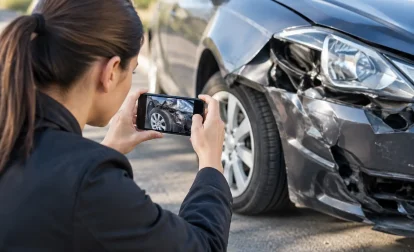
A bruise can darken over the next day. Swelling can spread after you leave the crash scene. A cut that appears minor at first may later require stitches. When you photograph crash injuries, you create a visual record of what your body went through before time changes the evidence. Those photographs can support a Louisiana injury claim, but your health must always come first.
If you have severe pain, dizziness, numbness, trouble breathing, confusion, or any concern about a head, neck, or back injury, call 911 or seek emergency care. Do not delay treatment to take pictures. Once you are safe and medically evaluated, clear photographs can help document injuries that an insurance adjuster may later question or minimize.
Why injury photographs can matter after a collision
Insurance companies often rely on paperwork: medical records, bills, police reports, and repair estimates. Those documents matter, but they may not fully show the physical reality of an injury. A photograph taken shortly after a collision can show bruising, abrasions, swelling, burns, casts, stitches, mobility aids, or other visible effects that may not be described in detail in every medical record.
Photos can also show how an injury develops. A mark on the shoulder from a seat belt may be faint on the first day and much more visible on the second. Bruising around the eye, ribs, knee, or abdomen may worsen before it heals. A series of dated images may help connect those changes to the wreck and tell a clearer story of your recovery.
Photographs do not replace medical care or medical documentation. They work alongside it. A picture cannot diagnose a concussion, soft-tissue damage, internal injury, or chronic pain. Continue following your doctor’s instructions, attend recommended appointments, and keep records of every provider you see.
How to photograph crash injuries safely
Start after you have received necessary emergency treatment. Use your phone’s standard camera if possible, and leave the date and time settings enabled. Avoid filters, beauty modes, heavy editing, or apps that alter the image. The goal is an accurate record, not a dramatic one.
Take several photos of each injury from different distances. Begin with a wide photo that shows the injury’s location on your body, such as your entire arm or leg. Then take a closer photo that shows the bruise, cut, swelling, or burn in detail. If you can do so without causing pain, take one image with a common object for scale, such as a ruler. Do not place anything on an open wound.
Use good lighting. Natural daylight near a window often works well, though a well-lit room can also be sufficient. Ask a trusted family member or friend to help with areas you cannot comfortably photograph, including your back, neck, shoulders, or the side of your face. Do not twist, stretch, or put weight on an injured area simply to get a better angle.
Photograph visible injuries before and after treatment when appropriate. For example, you may document a laceration before sutures, then take pictures of the stitches, bandages, casts, braces, or prescribed mobility equipment afterward. These images can show the progression of care without interfering with it.
Take follow-up photos as injuries change
One set of photos may not capture the full extent of a crash injury. Take follow-up pictures over the next several days and weeks, particularly if bruising spreads, swelling increases, a wound changes, or a scar develops. Keep the images in chronological order.
A simple written note can add useful context. Record the date, the area photographed, your pain level, and any change you noticed. For instance, you might write that new bruising appeared on your left hip two days after the collision or that you could not bend your wrist without pain. Keep descriptions honest and straightforward. Do not guess at a diagnosis or exaggerate what you feel.
What else to photograph after a wreck
Injury photos are only one part of the evidence. If you can do so safely at the scene, photographs of the vehicles, roadway, traffic signals, skid marks, debris, weather conditions, and visible damage can also be useful. But never remain in traffic, argue with another driver, or enter an unsafe area to collect evidence.
Afterward, consider preserving images of damaged clothing, torn shoes, broken eyeglasses, a cracked helmet, or child safety seats involved in the impact. For motorcycle riders, photographs of protective gear can be particularly important. Do not repair, throw away, or clean these items before documenting their condition unless doing so is necessary for safety or hygiene.
It may also help to photograph practical effects of the injury at home. A walker beside your bed, a shower chair, a prescription brace, or a room arranged to accommodate limited mobility can provide context for daily disruption. These photos should reflect real circumstances, not staged scenes.
Protect the original files
Keep the original image files whenever possible. Screenshots, text-message copies, and social-media uploads may lose details or strip out information associated with the original file. Save your photos in more than one secure place, such as your phone and a backed-up storage account.
Do not post injury photos, crash photos, or updates about your recovery on social media. Insurers may look for public posts and take them out of context. A smiling photo at a family gathering does not prove you were uninjured, but it can still be used to challenge the seriousness of your claim. Privacy gives you more control over how your information is presented.
Share photographs carefully. Your medical providers may need to see them, and an attorney can review them as part of your case. You do not need to send every image to an insurance adjuster immediately or discuss what each photo proves. A recorded statement or early document request may be designed to limit the value of your claim before the full impact of the injury is known.
Common mistakes to avoid
The most serious mistake is putting photographs ahead of treatment. Adrenaline can hide pain after a collision, and symptoms can take hours or days to appear. Get checked out if you are hurt or feel unwell, even if you believe the crash was minor.
It is also wise to avoid altering images. Do not crop out details in a way that changes context, apply color adjustments, add text directly over the photo, or use AI editing tools to make an injury look clearer or more severe. Keep originals and, if needed, make separate copies for labeling.
Finally, do not assume a lack of visible bruising means you do not have a claim. Many serious injuries are not visible in a photograph. Whiplash, traumatic brain injuries, nerve damage, spinal injuries, and emotional harm may require medical evaluations and other evidence. The value of a claim depends on the facts, the available proof, the treatment required, and how the injury affects your life.
When legal guidance can help
If another driver’s carelessness caused your wreck, you may be facing medical bills, missed paychecks, ongoing treatment, and pressure from an insurance company at the same time. Photos can preserve part of the story, but they are only one piece of a careful claim. An attorney can help assess the collision evidence, medical records, insurance coverage, and the losses that may continue long after the vehicles are removed from the road.
At Collins Law, injured people in Shreveport and Northwest Louisiana work directly with their attorney and receive clear updates about their case. There are no upfront legal fees, and you pay nothing unless there is a recovery.
Take the photographs you can safely take, keep them private and organized, and give yourself permission to focus on healing. The evidence can be preserved while you take the care your body needs.